


CARICOM Food Push Could Benefit Import-Dependent TCI

The Turks and Caicos Islands, which imports about 90 per cent of its food, could benefit from a renewed CARICOM push to increase agricultural production and strengthen food trade across the Caribbean.
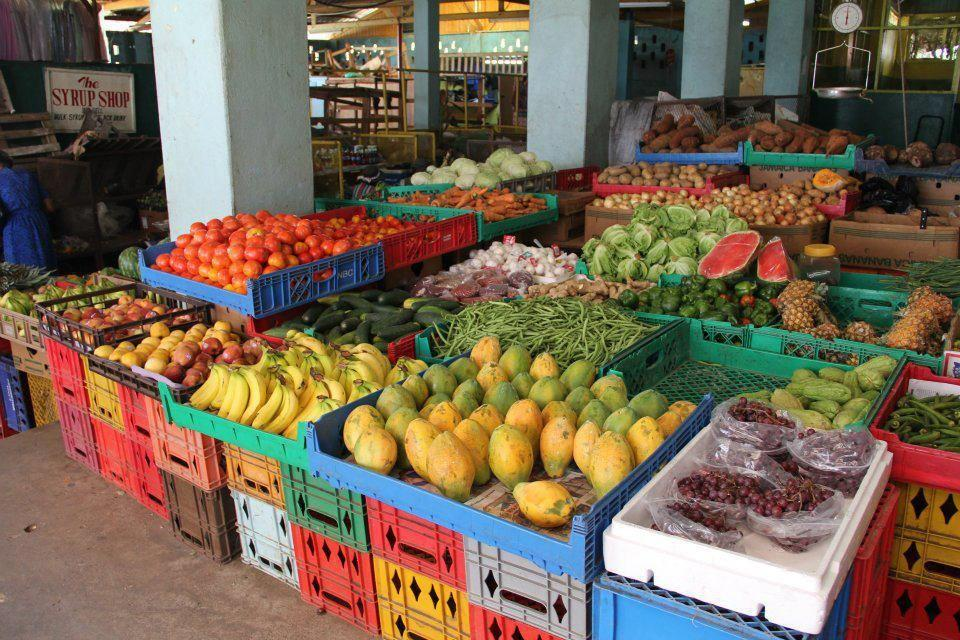
The regional effort, under the Vision 25 by 2025+5 initiative, aims to reduce dependence on overseas food supplies while attracting investment, creating jobs and improving nutrition.
Speaking at the opening of the 20th Caribbean Week of Agriculture in Trelawny, Jamaica, CARICOM Assistant Secretary-General Dr Wendell Samuel said the region’s reliance on imported food underscored the need for action.
“For a region where more than 60% of the food consumed is imported, and where some member states import up to 80% of their food, the imperative for action became undeniable,” Samuel said.
For the TCI, greater regional production could create opportunities to diversify food supplies and strengthen agricultural and trade links with neighbouring Caribbean countries. Such links could also help reduce exposure to disruptions in external supply chains.
Samuel reported that regional food production increased by approximately 24 per cent between 2022 and 2024, alongside investment in farm-to-market roads, cold storage, processing facilities, renewable energy, digital agriculture and climate-smart technologies.
“Today, we can confidently say that the initiative has moved beyond aspirations and is delivering tangible results across the community,” he said.
According to Samuel, the region’s food import bill reached approximately US$13.7 billion between 2018 and 2020, equivalent to about 15 per cent of regional gross domestic product.
The initiative’s next phase, extended to 2030, will focus on increasing production, expanding regional trade, attracting investment, creating employment and improving nutrition.
Samuel stressed that achieving those goals would require participation beyond the public sector.
“Governments cannot transform agriculture alone,” he said, calling for greater involvement by farmers, fishers, processors, private-sector investors, financiers, researchers and consumers.
For food-import-dependent economies such as the TCI, the initiative’s potential benefits will depend on how increased regional production translates into accessible supplies and stronger trading relationships.
Samuel said the ultimate goal is to build Caribbean food systems that are “resilient, inclusive, sustainable, and prosperous.”
The 20th Caribbean Week of Agriculture rAN from September 27 to October 2 at the Ocean Coral Spring Resort in Trelawny, Jamaica, under the theme “The New F A C E of Caribbean Food Systems.”



Comments